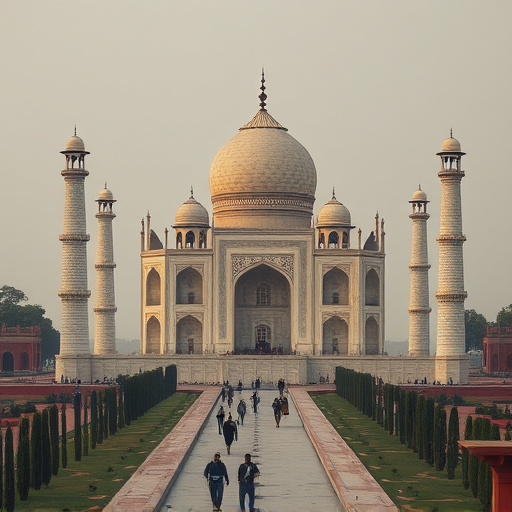

India's handicrafts span millennia, showcasing unique regional styles from wood carvings to silk weaving. Each craft tells stories of tradition and skill, reflecting diverse landscapes and cultures. Exploring these crafts offers a journey through India's destinations and historical trade routes, with artisans passing down ancient knowledge. Renowned globally for exceptional craftsmanship, Indian handicrafts blend traditional designs with modern tastes, preserving cultural legacy and appealing to worldwide audiences.
“Explore the vibrant world of Indian handicrafts, a rich tapestry woven with centuries-old traditions and diverse regional artistry. From intricate woodcarvings to exquisite silk weaving, India’s handiwork is a testament to its cultural diversity. This article takes you on a colorful journey through the country’s time-honored skills, where each craft tells a story. Discover how these traditional art forms not only thrive in bustling local markets but also captivate global audiences, making Indian handicrafts a celebrated part of the international artistic landscape.”
- Rich Heritage: Unraveling India's Handicraft Tradition
- Diverse Crafts: A Colorful Journey Across Regions
- Time-Honored Skills: Techniques Passed Down Generations
- Global Appeal: Indian Handicrafts on International Stage
Rich Heritage: Unraveling India's Handicraft Tradition
India boasts a rich heritage when it comes to handicrafts, with a history spanning millennia. Each region of this diverse country has developed unique skills and styles, passed down through generations, creating a vibrant tapestry of artistic expression. From intricate wood carvings in the north to exquisite silk weaving in the south, Indian handicrafts tell stories of tradition, culture, and skill.
The few renowned handicrafts include delicate lacquerwork from Rajasthan, vibrant pottery from Kerala, and stunning metalwork from Bengal. These crafts not only serve as functional items but also as a means of preserving anan ancient art form. By visiting us at India anytime, you can explore this incredible heritage firsthand, immersing yourself in the colors, textures, and stories woven into every piece.
Diverse Crafts: A Colorful Journey Across Regions
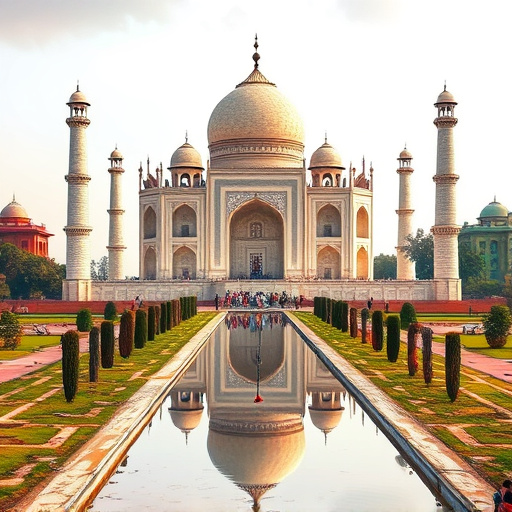
India’s diverse landscape is mirrored in its array of handicrafts, each region contributing unique styles and techniques that tell tales of cultural heritage and historical trade routes. From the intricate wood carvings of the north to the vibrant textiles spun and dyed in the south, every corner of this vast country offers a treasure trove of artistic craftsmanship. The diverse crafts include pottery, metalwork, stone sculptures, and embroidery, reflecting the varied geography and traditions.
Exploring these handicrafts is like embarking on a journey through India’s destinations top: you’ll find intricate temple carvings in the hills, vibrant saris woven with traditional motifs in rural villages, and delicate jewelry shaped by skilled artisans. These crafts are not just objects but living testaments of India’s rich history, passed down through generations. So, visit us at anytime; let’s delve into this colorful journey across regions and appreciate the artistry that defines India’s cultural tapestry.
Time-Honored Skills: Techniques Passed Down Generations
In India, the art of handicrafts has been a time-honored tradition for centuries, with intricate techniques passed down through generations. Each region boasts unique styles and skills, reflecting the diverse cultural heritage of the country. From the delicate embroidery of Rajasthan to the ornate woodcarving of Kerala, these crafts are not just objects but tell stories and preserve ancient knowledge. The art of pottery in village communities, for instance, involves methods that have remained largely unchanged for generations, ensuring the continuity of traditional forms like the iconic Indian pottery with intricate designs.
This legacy is evident in various mediums, including textiles, metalwork, ceramics, and stone carvings. The skills are often passed from master artisans to their apprentices, safeguarding India’s rich cultural tapestry. When you find us at festivals or explore local markets, these time-tested techniques come alive, offering a glimpse into the heart of Indian craftsmanship that has captivated the world for ages.
Global Appeal: Indian Handicrafts on International Stage
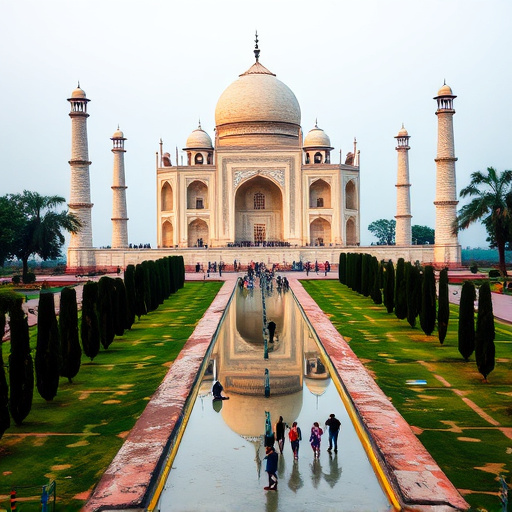
Indian handicrafts have garnered global attention and appreciation for their exquisite craftsmanship and rich cultural heritage. With a diverse range of skills passed down through generations, India excels in various art forms, making its mark on the international stage. The country’s vibrant tapestry includes intricate wood carvings, delicate metalwork, colorful glass paintings, and unique textiles. These handicrafts not only serve as functional objects but also become wearable art, adorning individuals worldwide.
The appeal of Indian handicrafts lies in their ability to blend traditional designs with modern aesthetics, making them versatile and appealing to a broad audience. Many artisans are inspired by nature, incorporating elements from the rich biodiversity of India into their work. From the lush greenery of summer how (plantations) to the vibrant festivals celebrated across regions, these influences reflect in the handicrafts’ lively colors and motifs. As people from around the world discover and appreciate these crafts, they not only acquire a piece of art but also contribute to preserving India’s cultural legacy, making it accessible and loved globally. Find us at plantations or explore local markets to witness this rich heritage come alive.
India’s handicrafts stand as a vibrant testament to the country’s rich cultural heritage, with each piece telling a unique story. From intricate woodcarvings and delicate silk weaving to colorful pottery and metalwork, these traditional crafts have not only survived but thrived on the global stage. The enduring appeal lies in the skill, dedication, and cultural significance imbued in every artifact, making Indian handicrafts a cherished part of both local traditions and international collections.