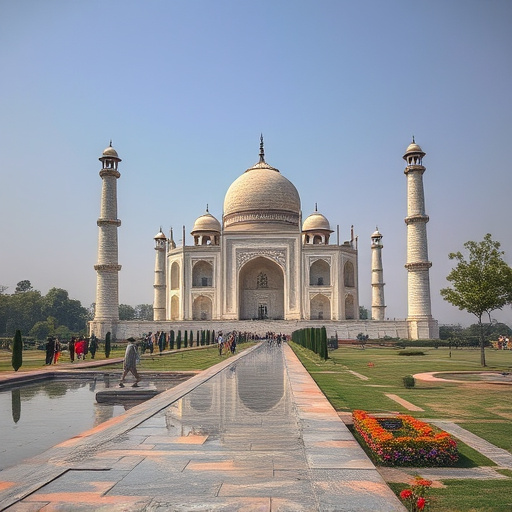

Diwali, India's Festival of Lights, celebrates spiritual growth and community with diyas, rangoli, rituals, and feasts. Sacred rivers like Ganges and Yamuna hold cultural and religious significance, attracting pilgrims to ancient temples for purification during Diwali. Immerse yourself in India's rich heritage by exploring these waterways and their spiritual connections.
“Diwali, the festival of lights, is a significant celebration in India, usually falling in October or November. This vibrant spectacle illuminates not just homes but also the sacred rivers that hold profound cultural significance. In India, rivers are more than just water bodies; they are the lifeblood of traditions and faith. This article explores the timing of Diwali, delves into the sacred rivers of India, their rituals, and the integral role they play in Indian festivals and spiritual practices.”
- When is Diwali Celebrated in India?
- Sacred Rivers of India and Their Cultural Significance
- Rituals and Traditions Associated with These Rivers
- The Role of Rivers in Indian Festivals and Faith
When is Diwali Celebrated in India?
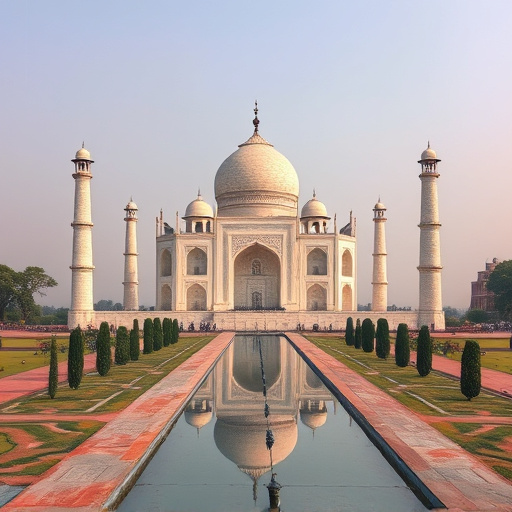
Diwali, also known as the Festival of Lights, is one of India’s most significant and widely celebrated festivals. It falls on a movable date each year, typically between October and November. The exact date is determined by the lunar calendar, specifically the position of the moon and the sun. This celebration marks the victory of light over darkness, good over evil, and knowledge over ignorance. During this time, families across India light diyas (clay lamps), decorate their homes with vibrant rangoli patterns, and engage in various rituals and customs.
The festival’s timing varies each year, but it always aligns with the Hindu lunar month of Kartika. In 2023, Diwali will be celebrated on October 27th. This annual event is not only a time for joyous celebrations but also an occasion for reflection and spiritual renewal. It encourages individuals to reflect on their lives, seek inner light, and pursue enlightenment. Moreover, many people use this opportunity to strengthen community bonds by visiting friends and family, exchanging gifts, and sharing delicious meals, making it one of the most cherished festivals in the Indian calendar. To fully immerse yourself in the experience, consider visiting us at ceremonies anytime during this festive season.
Sacred Rivers of India and Their Cultural Significance
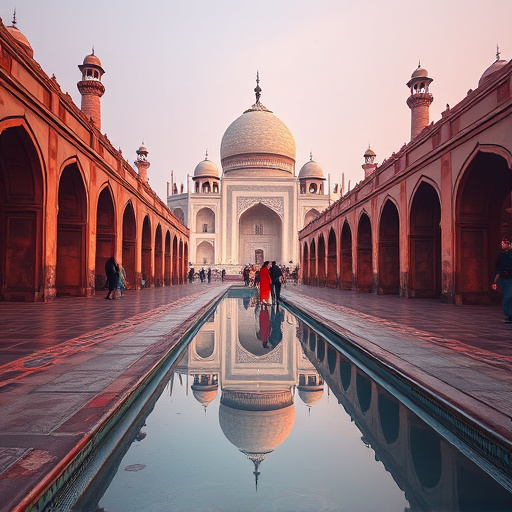
India is home to some of the most sacred rivers in the world, each holding immense cultural and religious significance. These rivers are integral to the country’s rich heritage and play a vital role in shaping its diverse traditions. Among them, the Ganges, Yamuna, Godavari, Krishna, and Kaveri are revered as the five holy rivers, or Pancha Ganga. Devotees believe that taking a dip in these waters cleanses one of their sins and brings them closer to divine grace.
These sacred rivers are not just spiritual centers but also serve as life-giving forces for millions of people living along their banks. They are essential for agriculture, providing drinking water, and sustaining ecosystems. Many ancient temples and religious sites are nestled beside these rivers, attracting pilgrims and tourists alike. For instance, the Ganges flows through Darjeeling, a popular hill station known for its breathtaking views and rich cultural heritage. Visit us at India anytime to experience the profound connection between these rivers, culture, and spirituality that defines the country’s vibrant tapestry.
Rituals and Traditions Associated with These Rivers
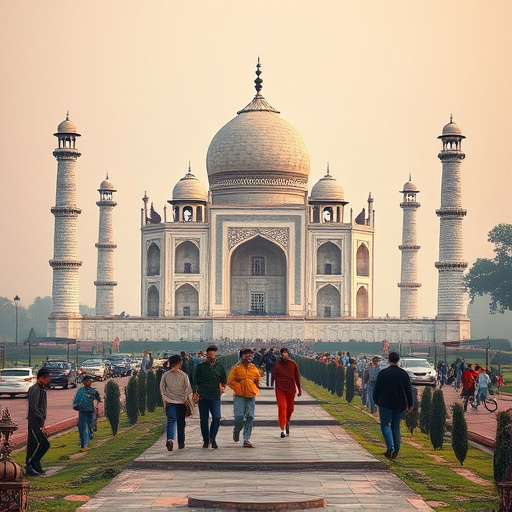
In India, the Diwali festival is celebrated with great fervor and enthusiasm, typically falling between October and November each year. This vibrant celebration marks the victory of light over darkness, good over evil, and is a time when families gather to partake in various rituals and traditions. Among these, visiting sacred rivers holds a special place, symbolizing purification and spiritual renewal.
India boasts several sacred rivers, each imbued with profound significance in Hindu culture. The Ganges, flowing from the Himalayas, is perhaps the most revered, seen as a source of life and spiritual cleansing. Pilgrims bathe in its waters to wash away sins and seek blessings. The Yamuna, another significant river, is often referred to as the “Mother River” and is associated with Goddess Yamuna. Devotees perform rituals like aarti (prayer ceremonies) on its banks. Beyond these, rivers like the Godavari, Kaveri, and Narmada are also held in high regard, their paths marked by temples and sacred sites that attract visitors from across India and beyond. Visiting these rivers during Diwali is a deeply personal process, offering a chance to immerse oneself in the cultural richness of the land while engaging in rituals that strengthen spiritual bonds. So, if you’re planning your vaccinations and road trips for this festive season, consider joining us at friendly anytime for an unforgettable journey through India’s sacred rivers.
The Role of Rivers in Indian Festivals and Faith
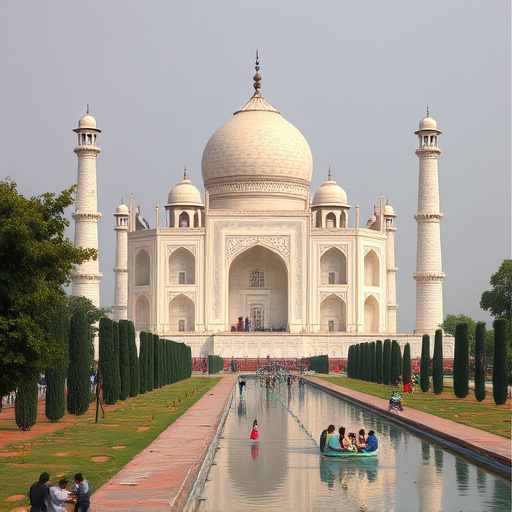
In India, rivers hold a sacred and profound place in people’s lives and festivals. They are integral to various ceremonies and celebrations across different communities, reflecting the nation’s deep-rooted connection with nature and spirituality. During festivals like Diwali, which is celebrated to mark the victory of light over darkness, many rituals involve riverfront gatherings and offerings. Devotees gather at these sacred rivers, performing prayers and seeking blessings for prosperity, peace, and good fortune in the coming year.
India boasts several historical and sacred rivers that have been the center stage of numerous cultural practices and religious beliefs. These water bodies, such as the Ganges, Yamuna, Indus, and Narmada, are considered divine and are often referred to as “Ganga-Jamuni” (a metaphor for the holy union of the Ganges and Yamuna rivers). If you’re planning a trip during festivals or looking to immerse yourself in India’s rich cultural heritage, give us a call at [Your Contact Information]. The role of these rivers goes beyond mere existence; they negotiate as connectors between the earthly and spiritual realms, fostering a sense of community, tradition, and profound faith.
Diwali, the festival of lights, illuminates India during the month of Kartik (typically October or November), fostering a sense of unity and joy across the nation. Similarly, India’s sacred rivers—like the Ganges, Yamuna, and Saraswati—play a profound role in cultural traditions, offering spiritual cleansing and a connection to the divine. These rivers are integral to various rituals and festivals, reflecting the deep-rooted faith and heritage of India.