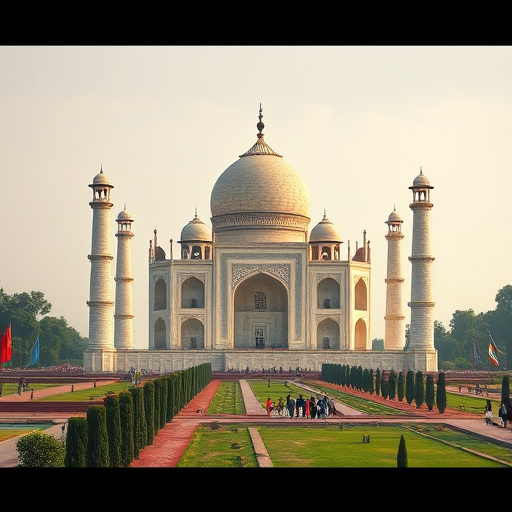

Yoga, a holistic practice with roots in ancient Indian philosophy, is deeply embedded in India's culture and spiritual tradition. It offers more than physical exercise, promoting mindfulness and mental well-being through poses, breathing techniques, and meditation. In India, yoga is practiced communally, socially bonding communities across towns and villages. Its influence permeates art, literature, and travel, attracting global enthusiasts to experience its rich legacy in vibrant yoga centers across the country.
Yoga, an ancient practice with deep roots in Indian culture, transcends mere physical exercise. Its historical origins in ancient India, where it was codified within philosophical texts, establish its spiritual and cultural significance. Over time, yoga has evolved from a monastic discipline to a vibrant community activity, fostering mindfulness, health, and social bonding. This article explores the multifaceted role of yoga in India, tracing its historical roots, spiritual practices, community aspects, health benefits, cultural symbolism, and global influence that continues to shape modern yoga’s widespread appeal.
- Historical Roots: Yoga's Place in Ancient India
- Spiritual Practice: Connecting Body and Mind
- Community Bonding: Yoga as Social Event
- Health Benefits: Mindfulness in Daily Life
- Cultural Symbolism: Yoga in Art and Literature
- Global Influence: India's Yoga Legacy Today
Historical Roots: Yoga's Place in Ancient India
Yoga is deeply intertwined with the historical and cultural fabric of India, dating back thousands of years to ancient Indian philosophy. In the sacred texts of Hinduism, Buddhism, and Jainism, yoga is prominently featured as a practice for spiritual enlightenment, physical health, and mental well-being. The ancient Indians believed in achieving harmony between the body, mind, and spirit, which forms the core principle of yoga.
This holistic approach to life has left an indelible mark on Indian culture, with yoga becoming an integral part of daily routines and rituals. From ashrams and temples to modern gyms and wellness centers, yoga is practiced across India, catering to both spiritual and physical requirements. Even a quick visit us at vaccinations anytime will expose one to the vibrant yoga scene in this diverse nation, showcasing its enduring relevance and appeal, not just within India but globally.
Spiritual Practice: Connecting Body and Mind
Yoga is an ancient practice deeply rooted in Indian culture and philosophy. In India, yoga is more than just a physical exercise; it’s a spiritual discipline that seeks to harmonize the mind, body, and spirit. This holistic approach makes it an integral part of daily life, with many Indians incorporating yoga poses, breathing techniques, and meditation into their routines. The practice offers a means to connect with one’s inner self, promoting mental clarity and emotional balance.
In the bustling landscape of Indian life, where shopping and budgeting can consume much time, yoga serves as a sanctuary for mindfulness. It encourages individuals to step away from the chaos and focus on the present moment, fostering a sense of peace and calm. By giving us a call at large, one can discover various yoga centers across India that cater to both beginners and seasoned practitioners. These centers offer not just physical workouts but also spiritual guidance, ensuring that the ancient art of yoga remains accessible and vibrant for all.
Community Bonding: Yoga as Social Event
Yoga is deeply ingrained in Indian culture, with its origins tracing back to ancient times. Beyond its spiritual and physical benefits, yoga serves as a powerful catalyst for community bonding in India. In towns and villages across the country, people of all ages and backgrounds gather regularly for group yoga sessions, often held in open spaces or community centers. These events foster a sense of camaraderie and shared purpose, breaking down social barriers and strengthening community ties.
For travelers exploring India on yoga trips, these communal practices offer a unique opportunity to immerse themselves in the local culture. The atmosphere is welcoming, encouraging participants to connect not just with their bodies but also with one another. By joining in these sessions, visitors can experience firsthand the profound impact of yoga on Indian society, creating lasting memories and fostering meaningful connections that extend far beyond their journey. Give us a call at a to discover how you too can embrace this vibrant aspect of India’s cultural heritage during your travel experiences.
Health Benefits: Mindfulness in Daily Life
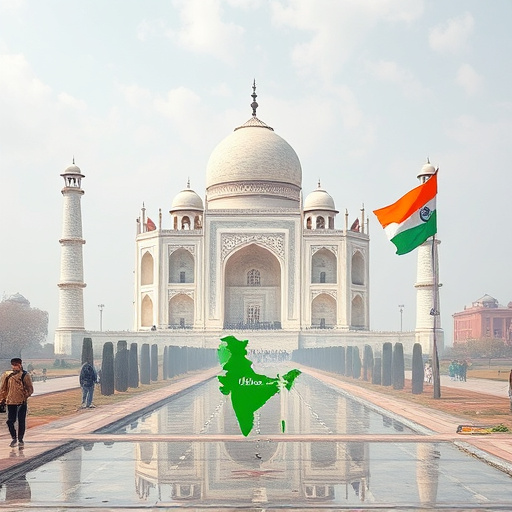
In India, yoga is more than just an exercise routine; it’s deeply intertwined with the country’s cultural and spiritual heritage. The practice dates back thousands of years, making it an integral part of daily life and Indian culture at large. Beyond its physical benefits, yoga offers a path to mindfulness and mental clarity that has significant impacts on overall well-being. In today’s fast-paced world, Indians often juggle demanding careers, family commitments, and social pressures. Yoga provides a much-needed respite from this hustle, promoting relaxation and stress relief through breathing exercises and meditation.
Incorporating yoga into daily routines allows individuals to cultivate mindfulness, enabling them to be more present and aware in all aspects of life. Whether it’s during a quiet morning ritual or a brief pause during a busy day, the focus on breath and movement helps to centre the mind and calm the senses. This practice isn’t just for adults; children in India also engage in yoga as part of their education and cultural festivities, such as weddings and festivals, further cementing its place as a foundational aspect of Indian life. Give us a call at [your contact information] to learn more about how yoga can enhance your well-being and connect you deeper with India’s rich cultural heritage.
Cultural Symbolism: Yoga in Art and Literature
Yoga, an ancient practice deeply rooted in Indian culture, has left its indelible mark on the country’s art and literature. In India, yoga is more than just a physical exercise; it’s a cultural symbolism that has inspired various artistic expressions throughout history. From vibrant paintings to intricate sculptures, yogic poses and philosophies have been woven into the very fabric of the nation’s creative heritage.
In the bustling metro areas across India, you can find us at art galleries and libraries where yoga-themed exhibits and literature abound. These spaces serve as testaments to the enduring influence of yoga, showcasing its transformation from ancient text to modern practice. Phrases like “om” and imagery of serene poses resonate in contemporary art, reflecting a cultural continuity that transcends time. This rich symbolism ensures that yoga remains an integral part of India’s artistic identity, even as it spreads globally.
Global Influence: India's Yoga Legacy Today
Yoga, with its ancient roots deeply embedded in Indian culture, has transcended borders and now influences people worldwide. This timeless practice, born and nurtured in India, has become a global phenomenon, with many travel enthusiasts flocking to discover its origins. The country’s rich yoga legacy is evident in its diverse traditions, from the serene practices of Hatha Yoga to the vigorous Ashtanga style.
Today, few cities in India remain untouched by this ancient discipline. Be it the bustling metropolis of Delhi or tranquil ashrams nestled in rural areas, yoga classes are accessible to all. The practice has adapted to modern lifestyles, appealing to both locals and visitors alike. Given its profound impact, it’s no surprise that many tourists choose to immerse themselves in this holistic lifestyle by giving us a call at [yoga studio/center] to explore the benefits of yoga within India’s vibrant tapestry.
Yoga is not just a physical exercise in India; it is a holistic cultural phenomenon that has been deeply intertwined with the country’s history, spirituality, and daily life. From its ancient origins as a spiritual practice in Hinduism, Buddhism, and Jainism, to its modern-day global appeal, yoga has become an iconic symbol of Indian heritage. Its universal message of mindfulness, balance, and connection resonates worldwide, reflecting India’s rich cultural tapestry and influencing wellness practices globally. Yoga’s enduring popularity highlights the timeless value it holds not just for Indians but for people everywhere seeking improved physical and mental well-being.